FuturesHUB
Perpetual futures, one mechanism at a time
32 guides to the contract, the three prices on the ticket, funding, margin, and the costs that stack on a round trip. Each page has a diagram and a way to use the idea on an order ticket. None of them tells you which side to take.
Work the arithmetic on the tools workbook. The older screen-by-screen lessons remain on Learn.
The contract
What you hold, how linear and inverse differ, and how a long, a short, and a hedge are stored.
What a perpetual is
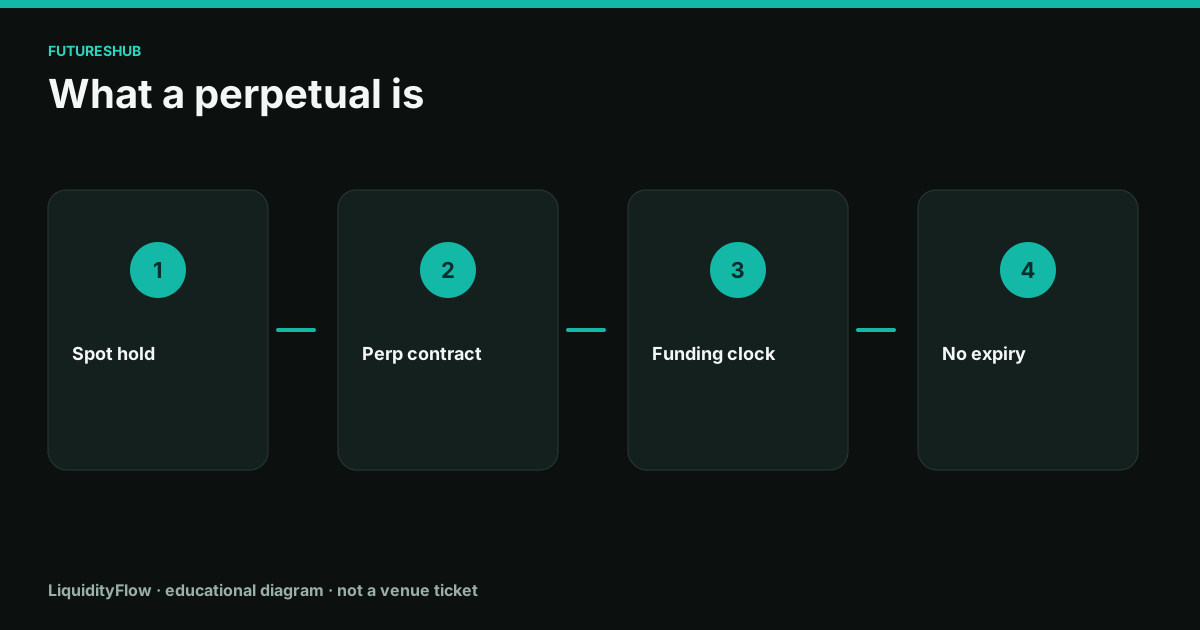
A perpetual futures contract tracks a spot index, never expires, and uses funding to pull the contract price back toward that index.
Linear and inverse contracts
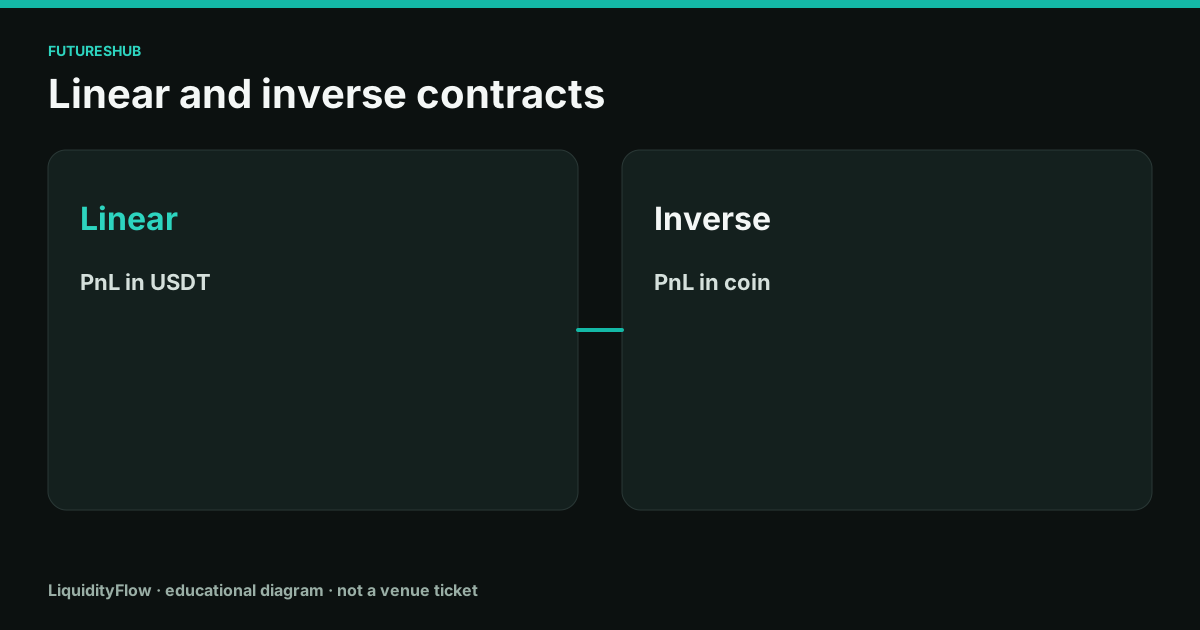
Linear perpetuals settle profit in the quote asset, usually USDT. Inverse perpetuals settle profit in the coin and take margin in the coin.
Long and short
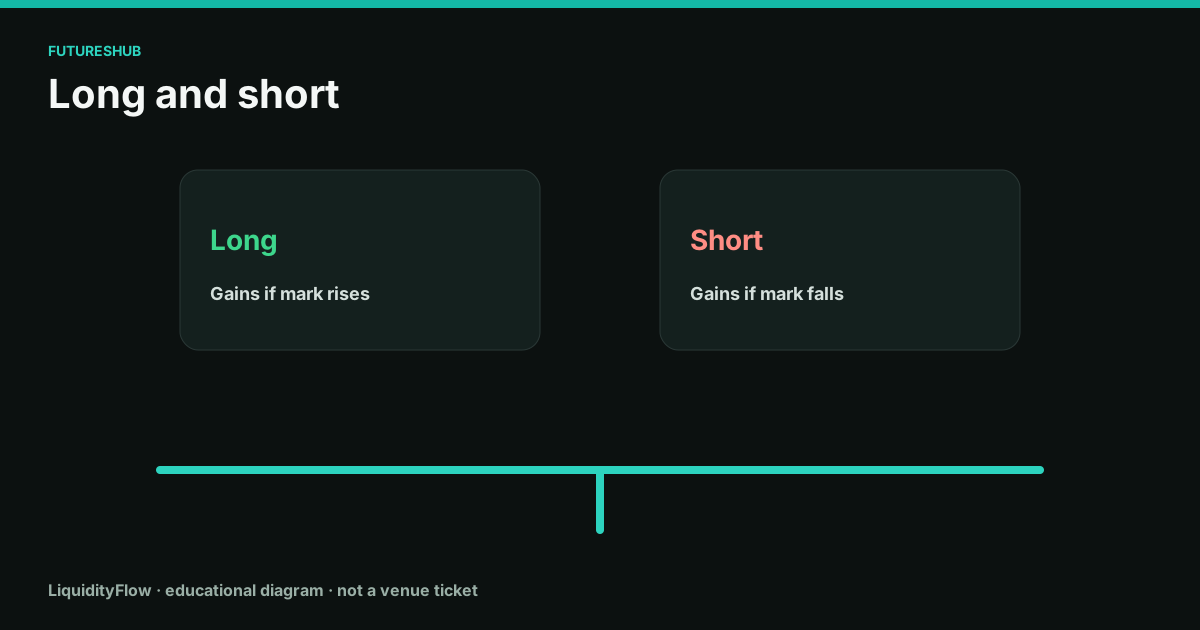
A long perpetual gains when the mark rises. A short perpetual gains when the mark falls. Both post margin, and both can be liquidated.
Notional and PnL
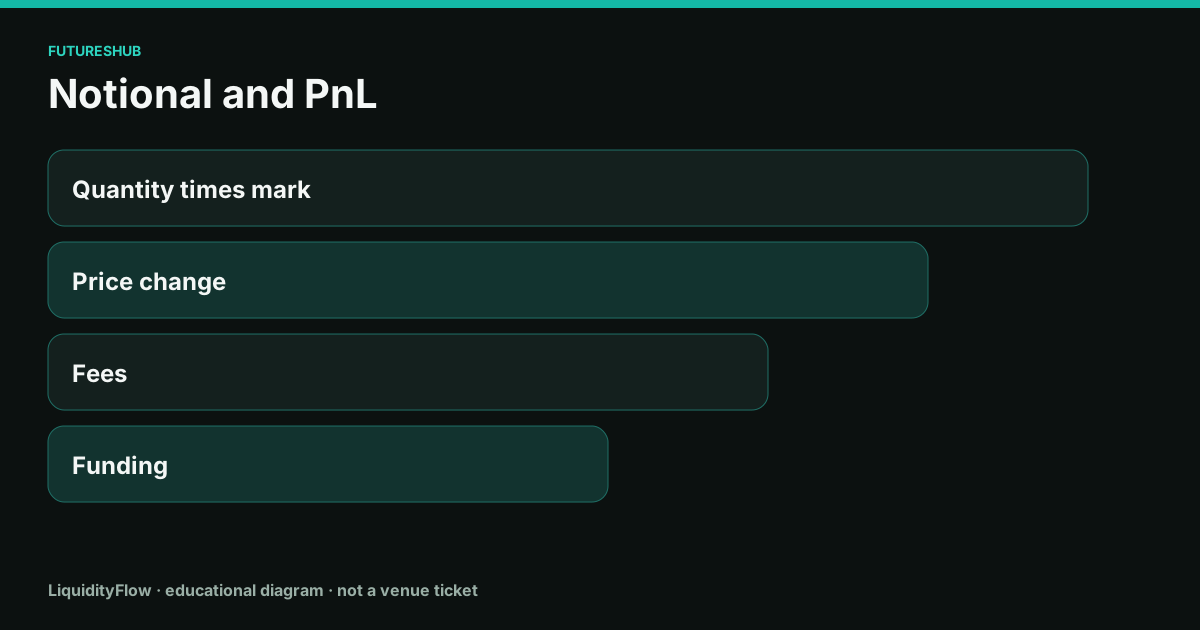
Notional is the position's exposure. On a linear perpetual, profit is quantity times the price change, then fees and funding are applied.
Hedge mode
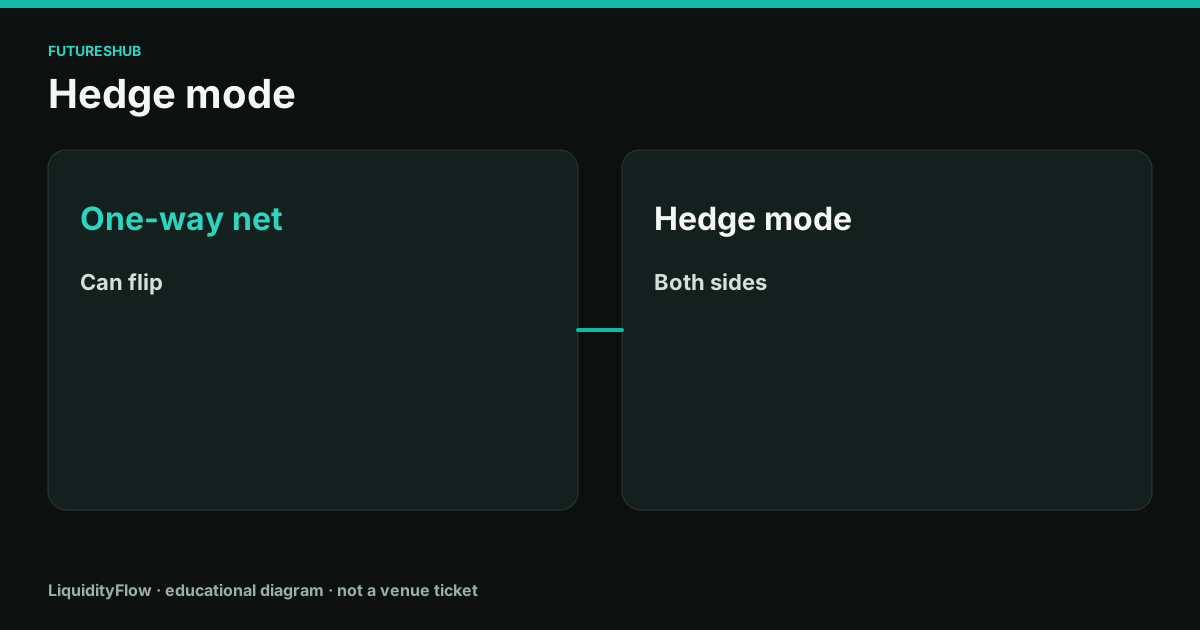
Hedge mode keeps a long and a short open on the same contract. One-way mode keeps a single net position and can flip you if the order is larger than the position.
Prices
Index, mark, last, and the premium between the perpetual and spot.
Index price
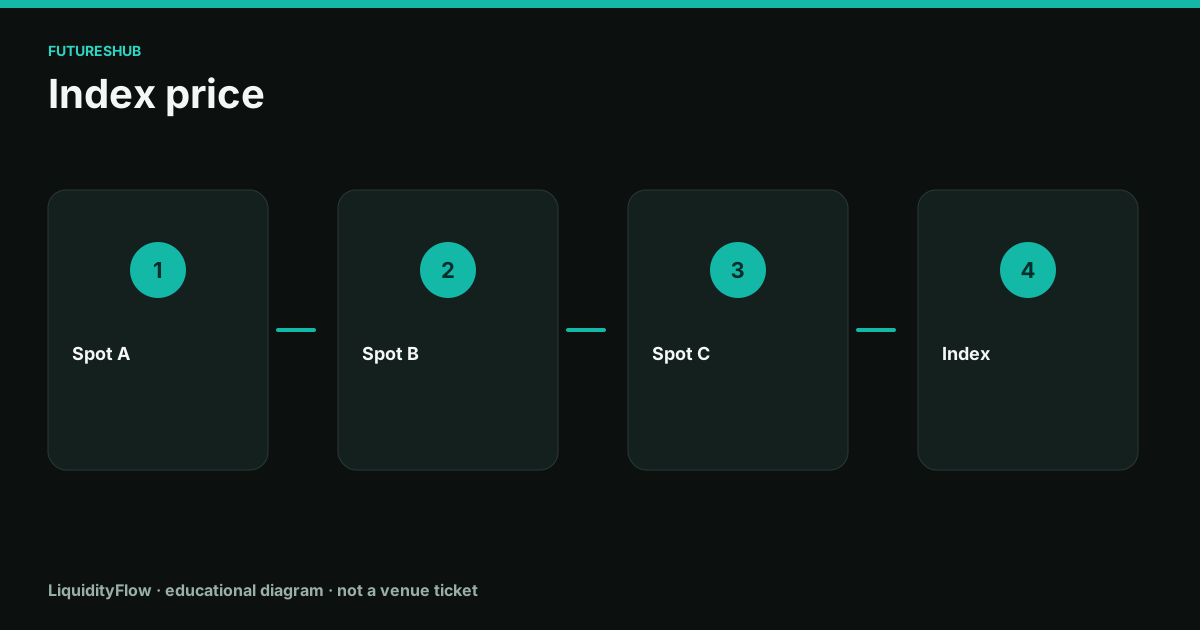
The index is a composite of spot prices from several venues. Perpetual funding and the mark price are built from it so one thin print cannot set the contract.
Mark price
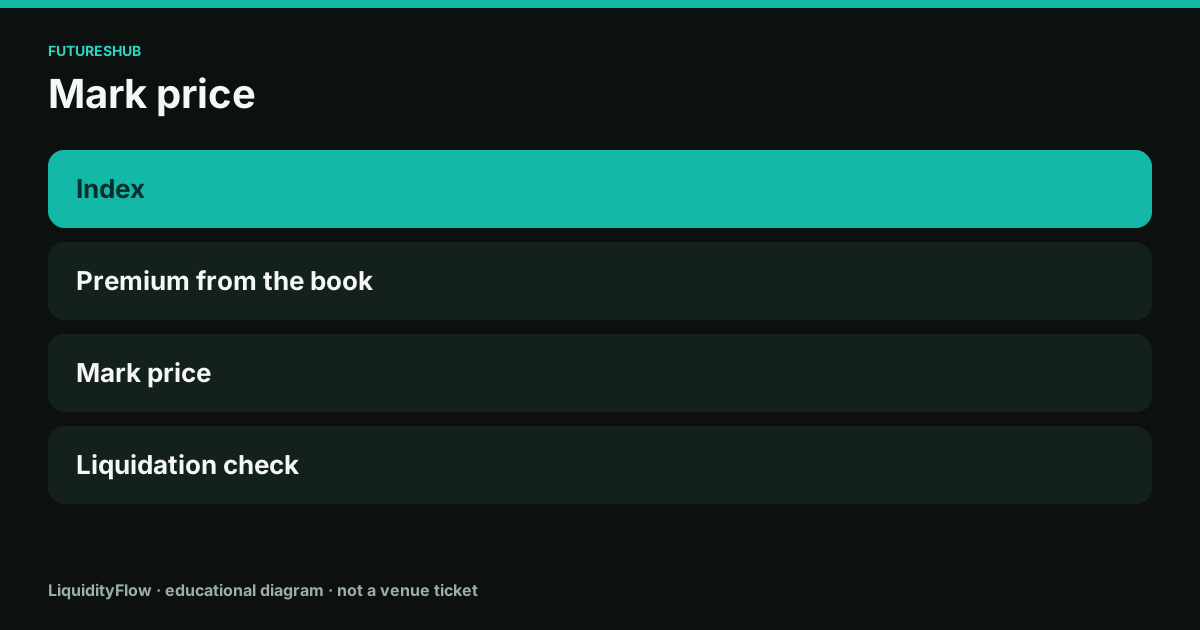
The mark is the fair price a venue uses for unrealized profit and for liquidation. It is built from the index and a premium, so a single wick on the perpetual book does not liquidate the book.
Last price
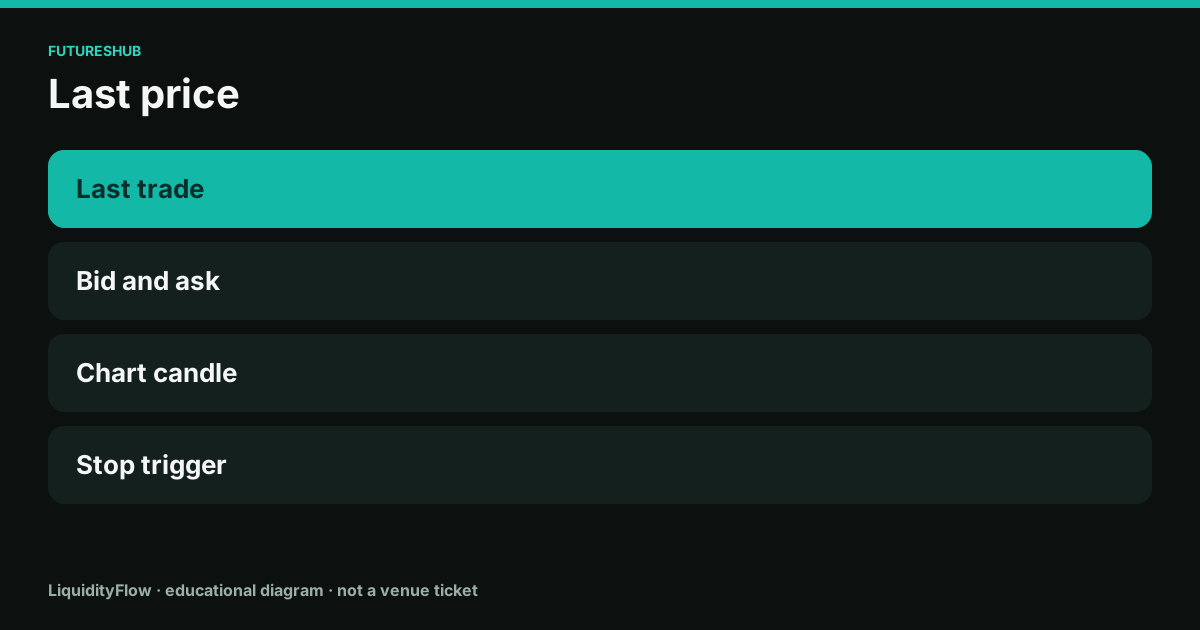
The last price is the latest trade on the perpetual book. It is the print on the chart. It is not automatically the price used for liquidation.
Basis and premium
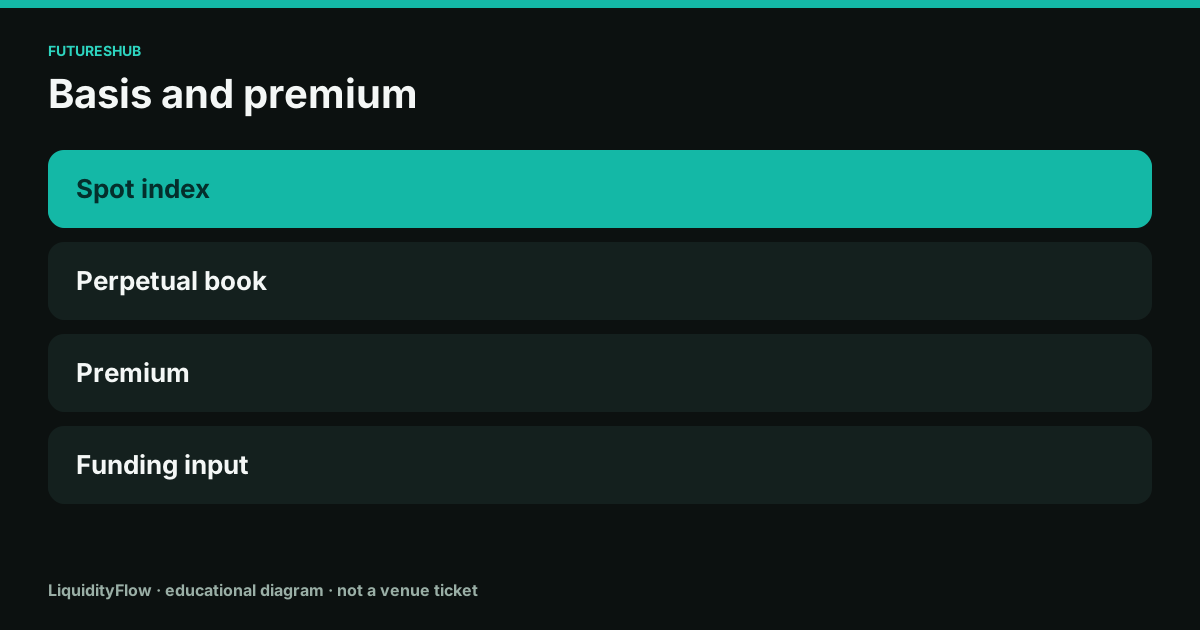
Basis is the gap between the perpetual and the spot index. The premium index turns that gap into the input that funding is calculated from.
Funding
The rate, the clock, the payment, and which side pays.
Funding rate
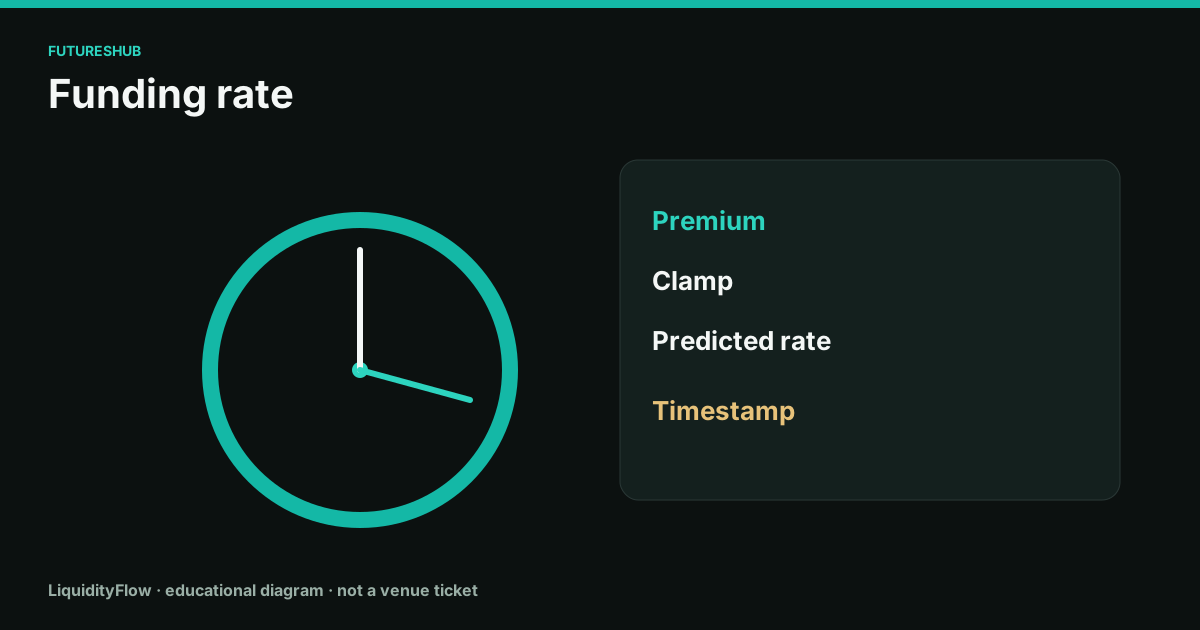
The funding rate is the periodic percent longs and shorts exchange so the perpetual stays near the index. Positive usually means longs pay shorts.
Funding interval
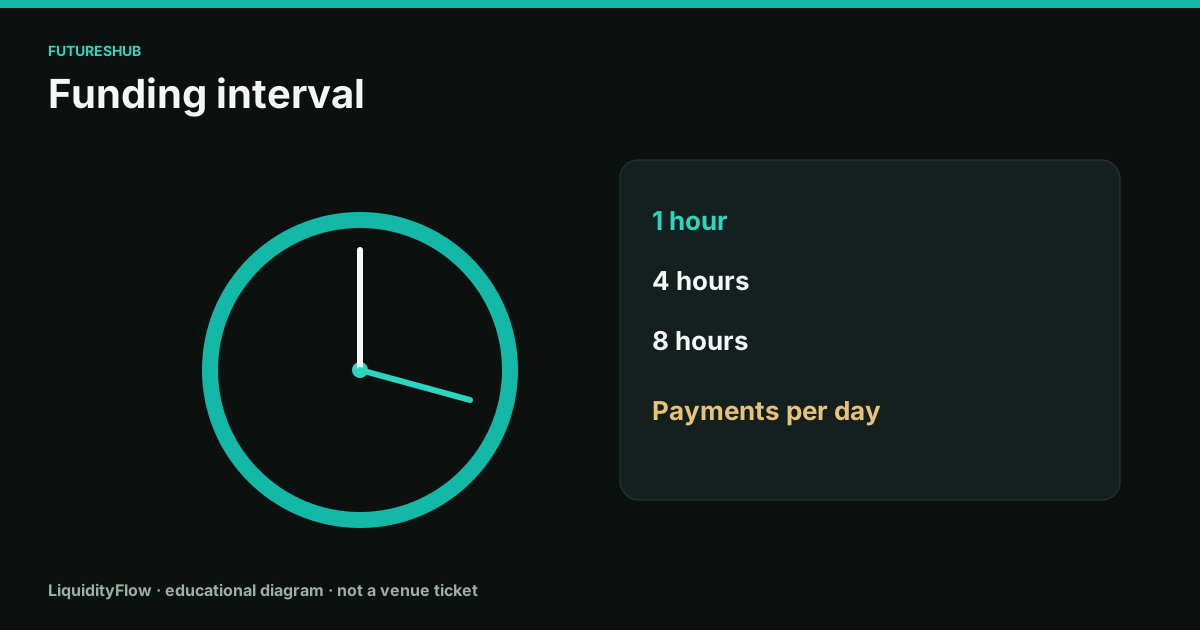
The funding interval is how often the payment occurs. Eight hours is common. Some contracts settle every hour or every four hours.
Funding payment
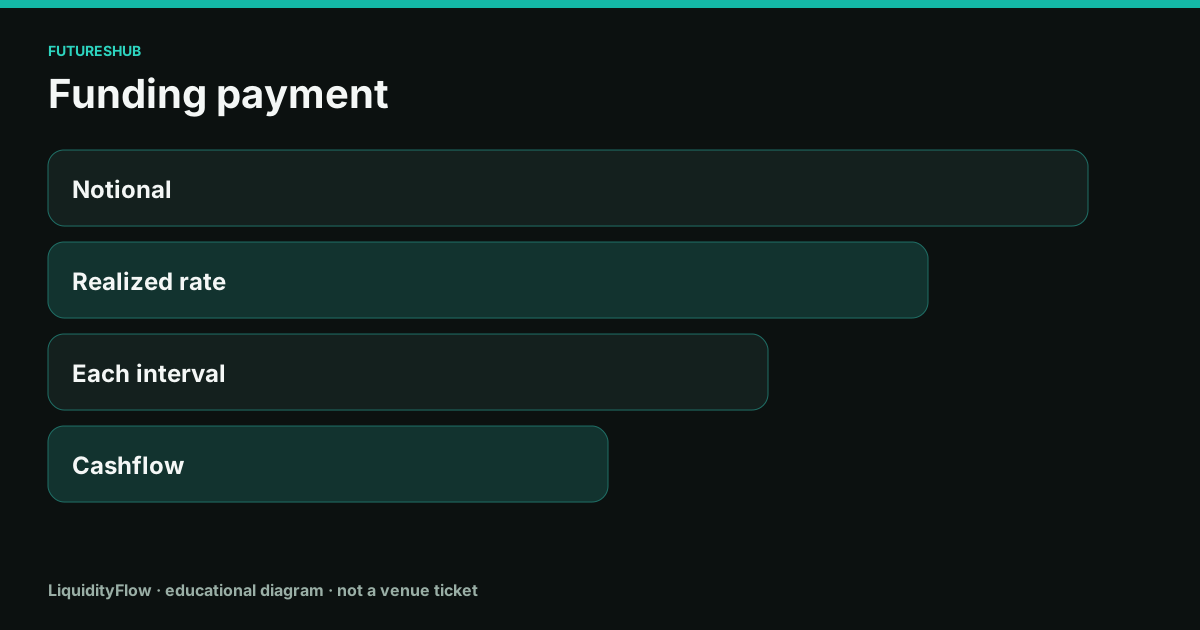
The funding payment is notional times the rate, once per interval you are open. Linear contracts pay it in the quote asset. Inverse contracts pay it in the coin.
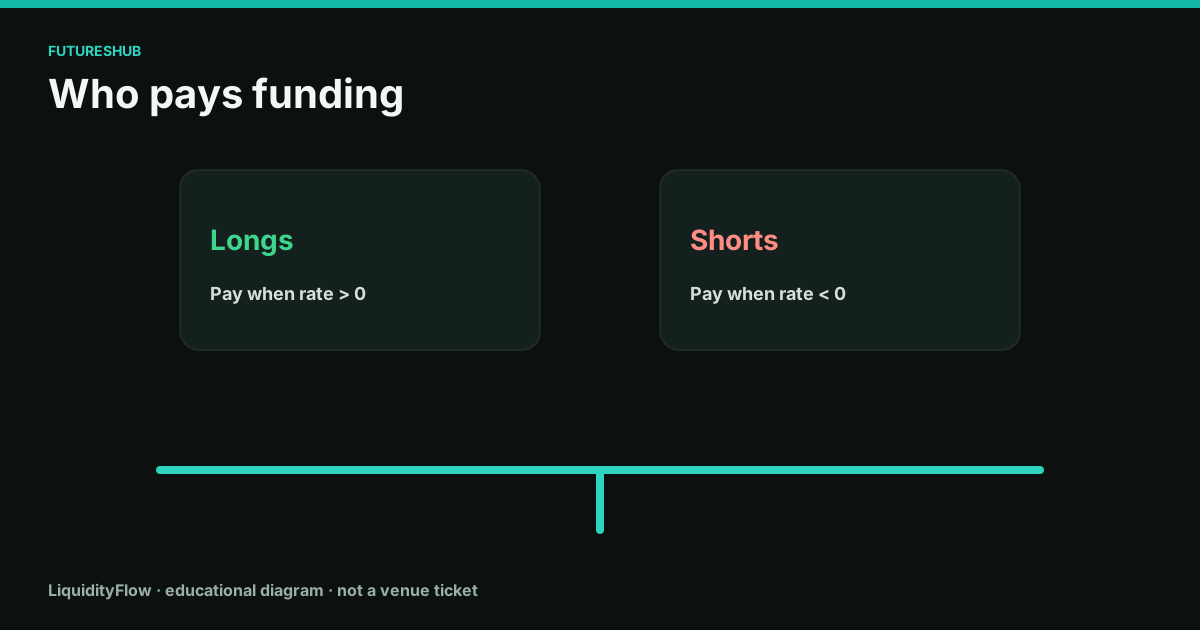
Who pays funding
Longs pay shorts when the rate is positive. Shorts pay longs when it is negative. The exchange routes the payment. The contract specification wins if the sign is defined differently.
Margin and liquidation
Initial margin, maintenance, leverage, isolated and cross, and the engine that closes a position.
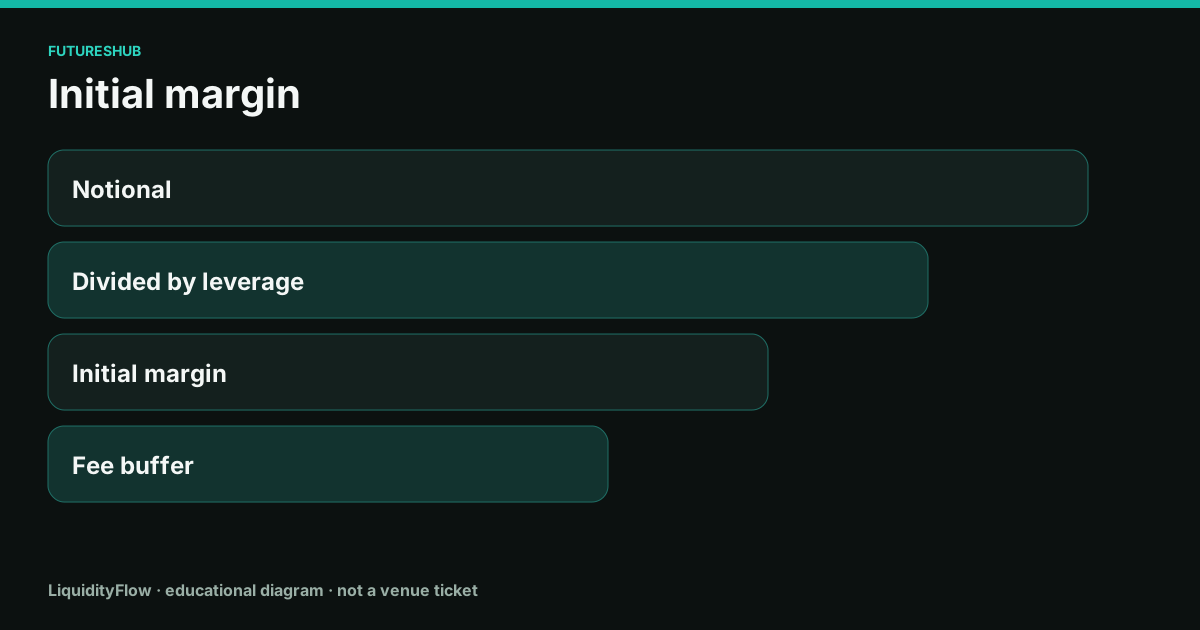
Initial margin
Initial margin is the collateral required to open a position. On a simple linear ticket it is about notional divided by leverage, plus any fee buffer the venue adds.
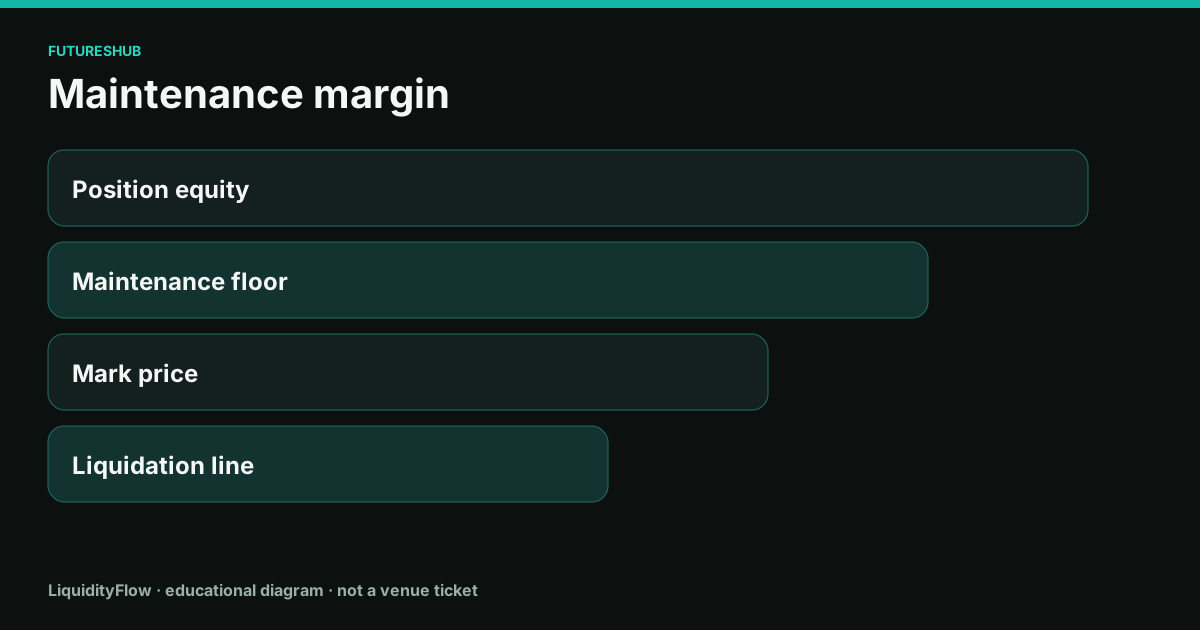
Maintenance margin
Maintenance margin is the minimum collateral that keeps a position open. Falling through it starts liquidation. It is lower than initial margin and it rises in higher risk tiers.
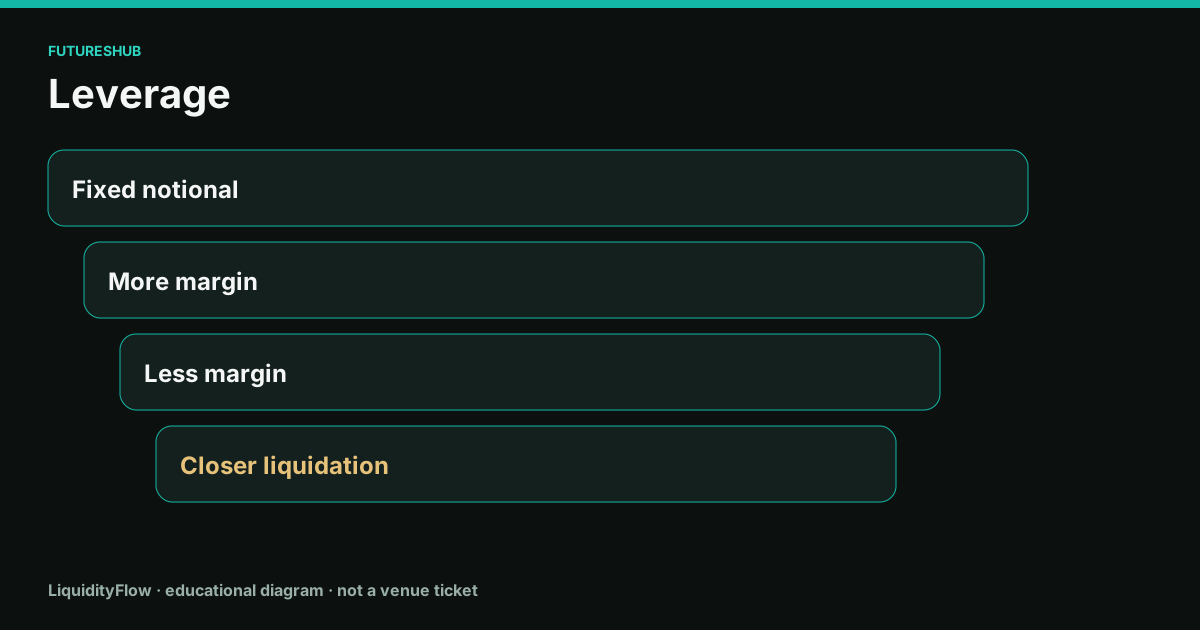
Leverage
Leverage is notional divided by margin. It changes the collateral you post and the distance to liquidation. It does not change the profit on a fixed notional.
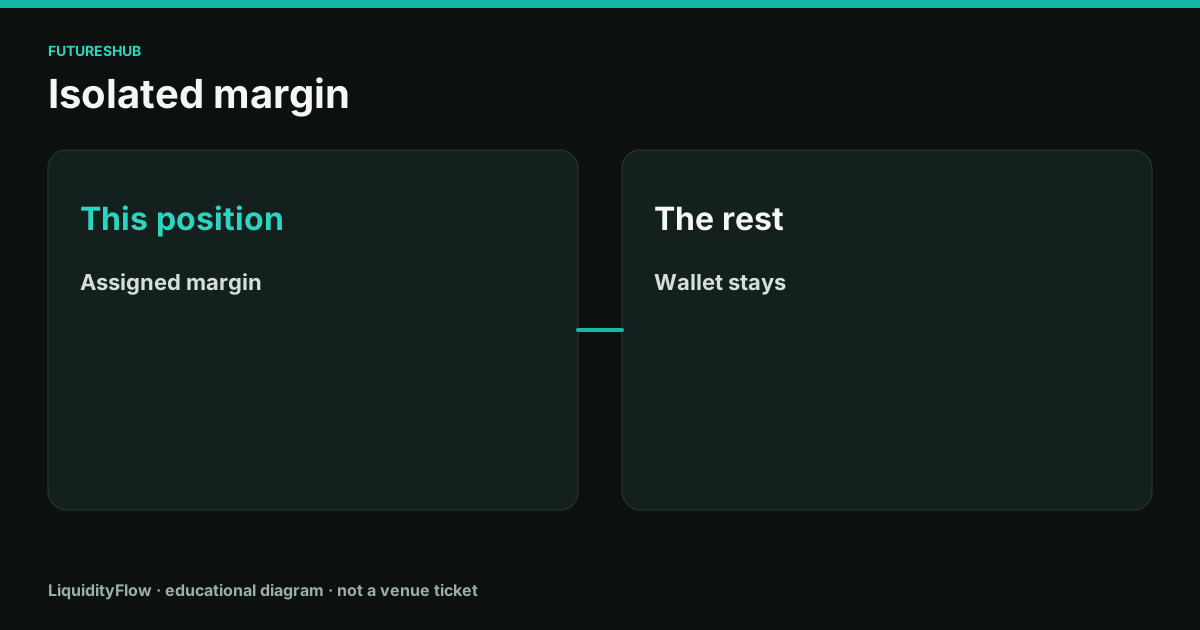
Isolated margin
Isolated margin assigns a fixed collateral balance to one position. A loss that consumes it liquidates that position and leaves the rest of the wallet alone.
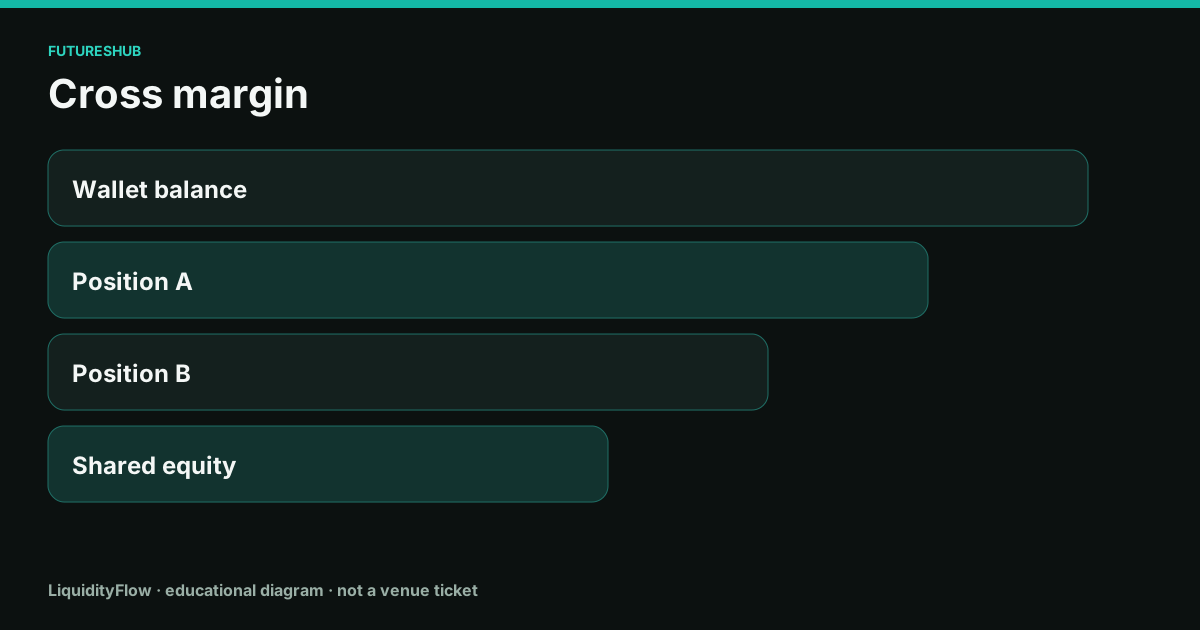
Cross margin
Cross margin lets every position in the wallet draw on the same balance. One winner can support another loser. A loser can also spend the whole wallet.
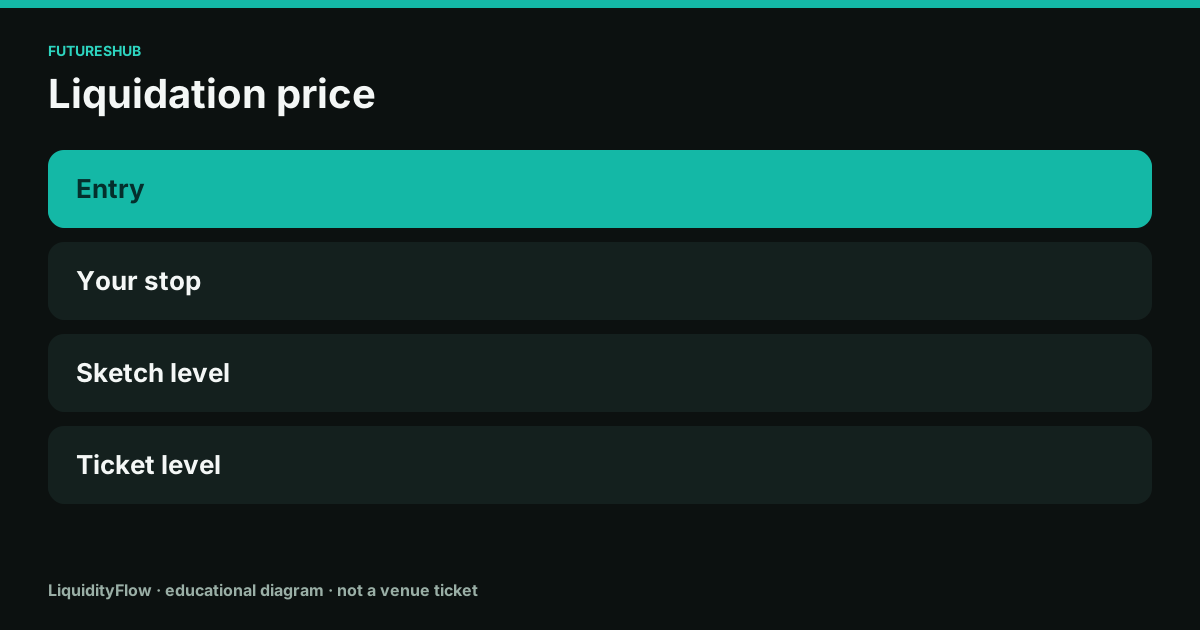
Liquidation price
The liquidation price is the mark at which position equity falls to maintenance. A sketch can show the shape. The ticket is the level the venue will use.
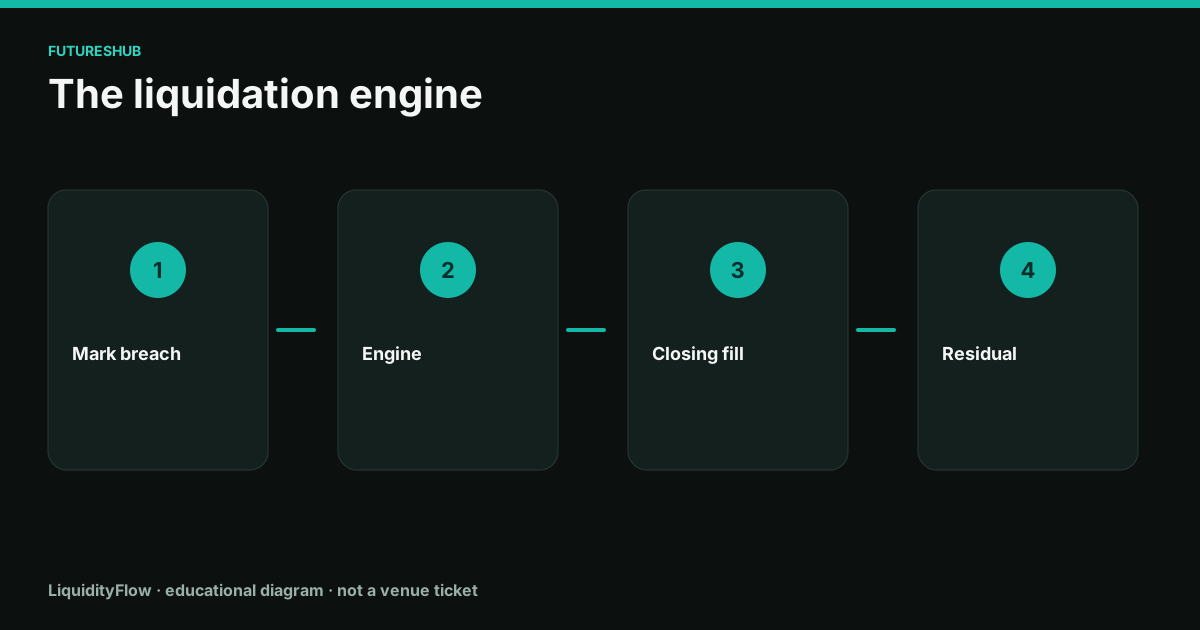
The liquidation engine
When the mark breaches maintenance, the venue closes the position, often charges a liquidation fee, and sends any residual to the insurance fund.
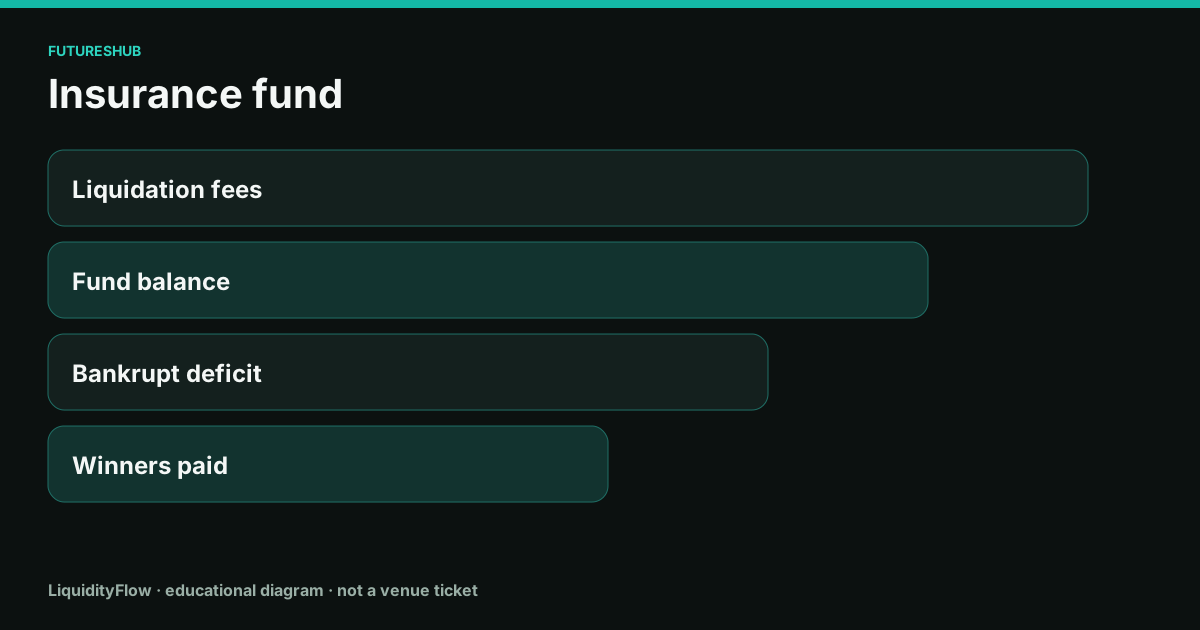
Insurance fund
The insurance fund absorbs losses when a liquidated account goes bankrupt, so winning traders can still be paid. Its size is published by the venue.
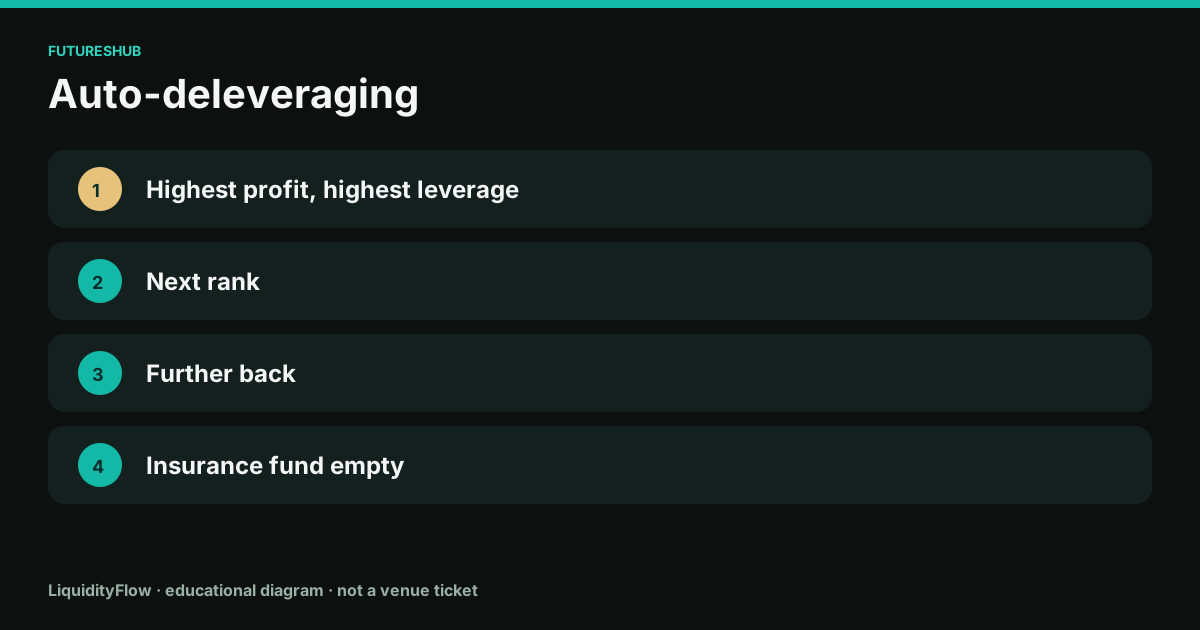
Auto-deleveraging
Auto-deleveraging closes profitable positions when the insurance fund cannot cover a bankrupt liquidation. Rank usually favors closing the most profitable, most levered accounts first.
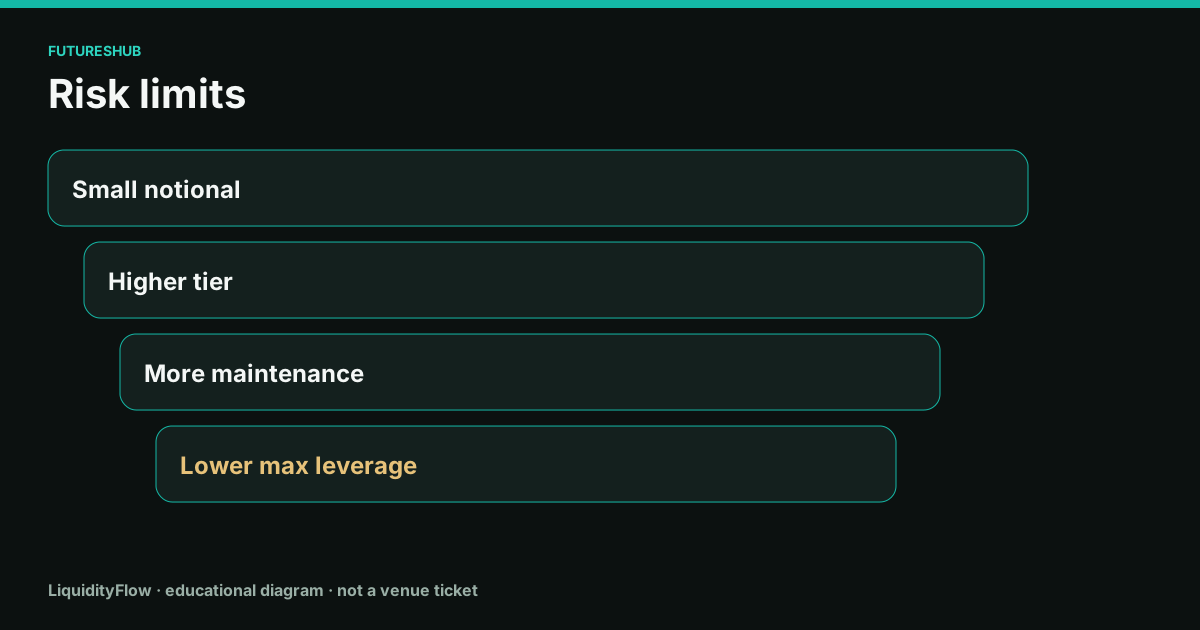
Risk limits
Risk limits step a larger notional into a higher maintenance rate and a lower maximum leverage. The tier, not the advertisement, sets the cap on your position.
Orders
Limit, market, stop, post-only, reduce-only, and the order of fields on a ticket.
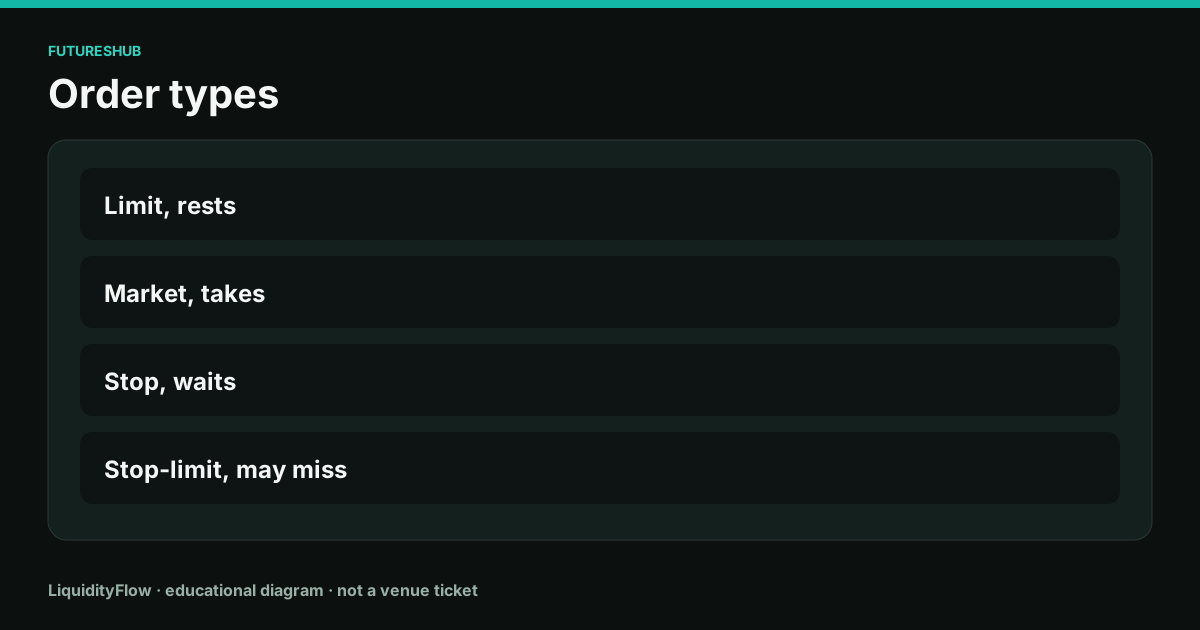
Order types
Limit orders rest on the book. Market orders take liquidity now. Stop and stop-limit orders wait for a trigger, then send one of those two.
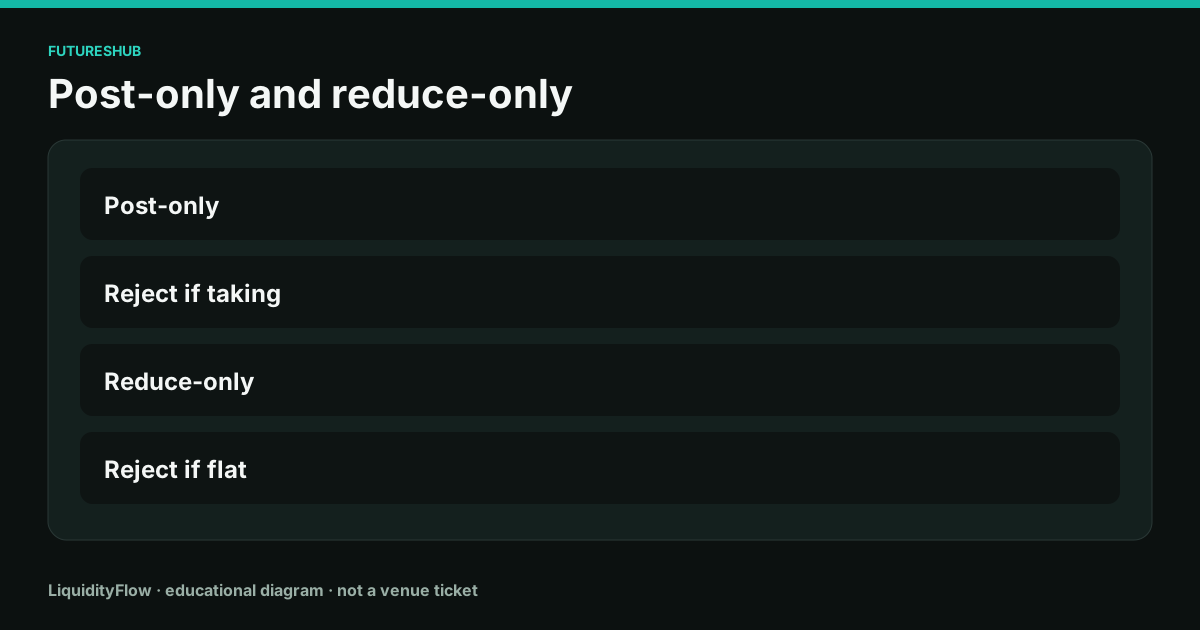
Post-only and reduce-only
Post-only keeps an order from taking liquidity. Reduce-only keeps an order from opening or flipping a position. They solve different mistakes.
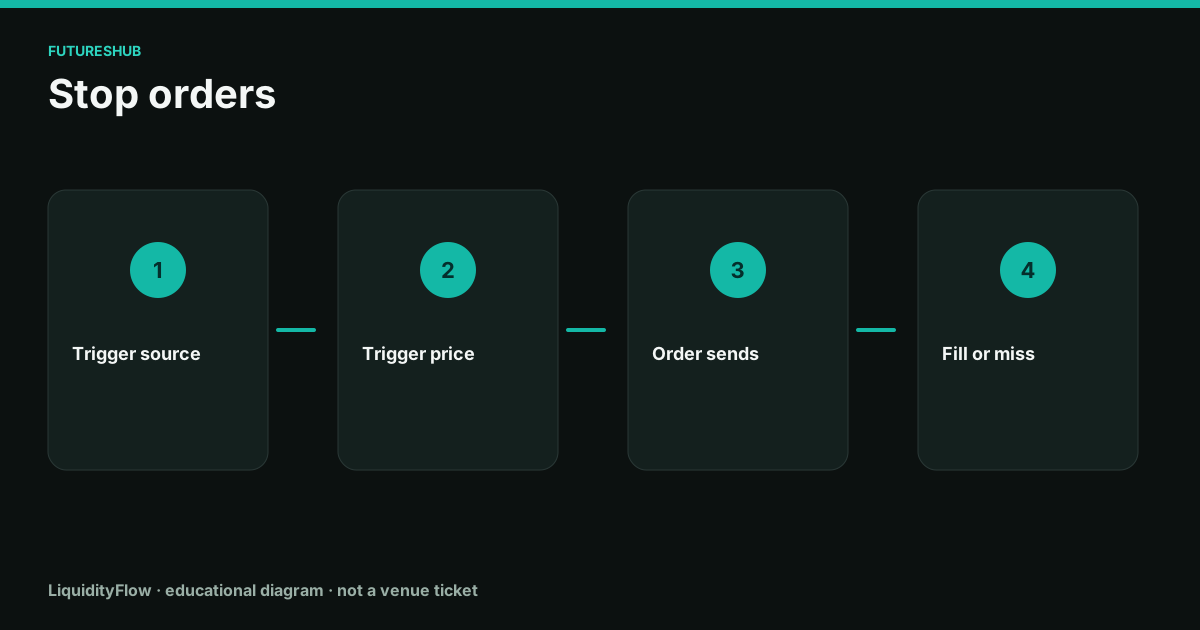
Stop orders
A stop waits for last, mark, or index to touch a trigger, then sends a market or limit order. The trigger and the fill are two different events.
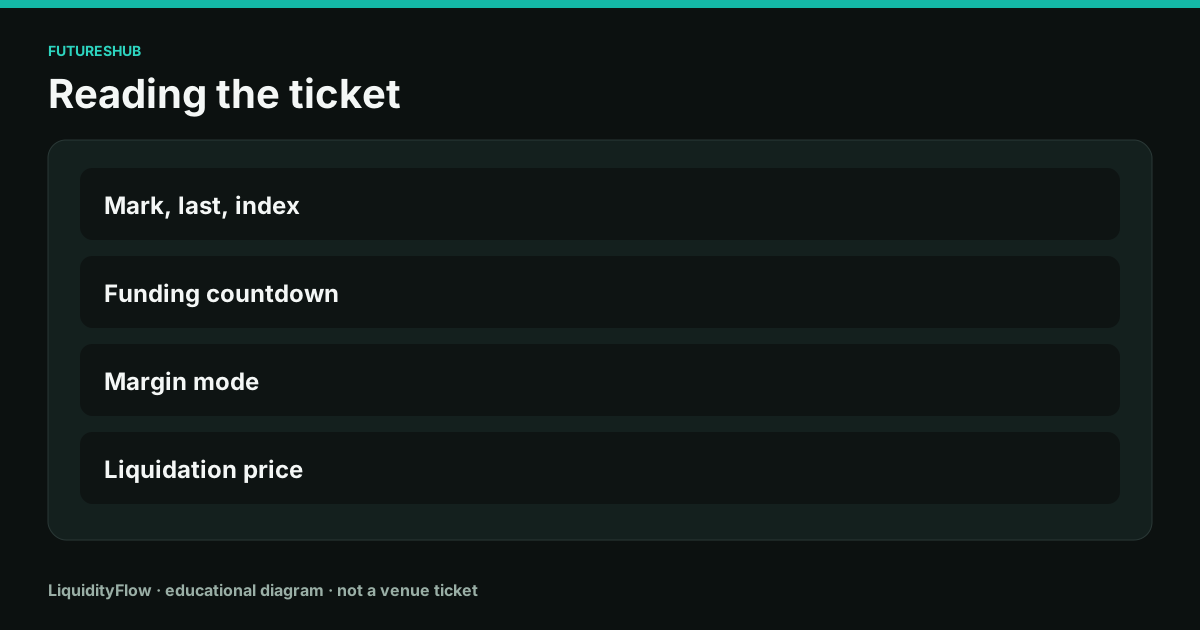
Reading the ticket
A perpetual ticket shows mark, last, index, funding countdown, margin mode, leverage, and liquidation price. Read them in that order before you trust the buy button.
On the desk
Open interest, size from a risk budget, fees, slippage, and the stack of all four.
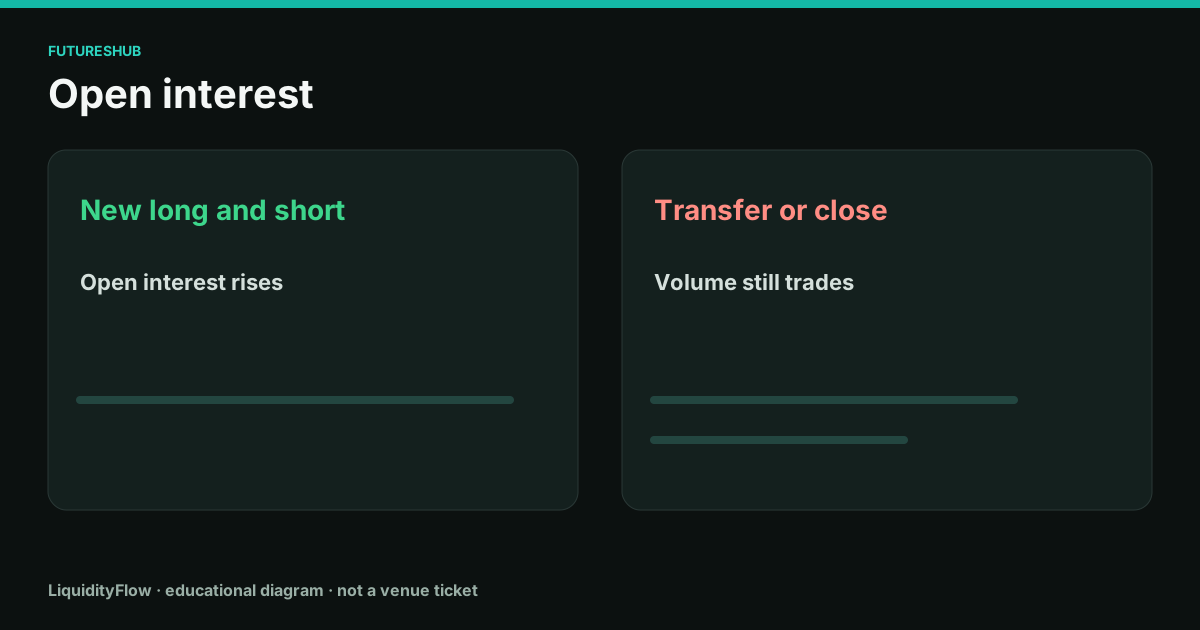
Open interest
Open interest is the stock of outstanding contracts. Volume is the flow of trades. A busy tape can leave open interest unchanged, and a quiet tape can increase it.
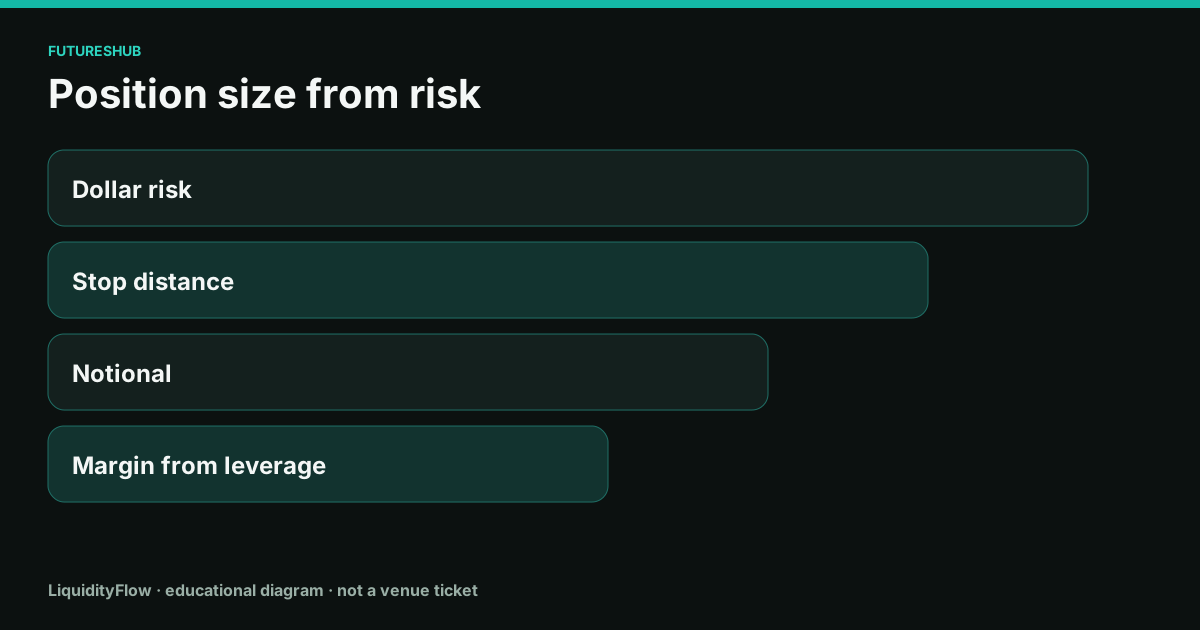
Position size from risk
Choose the dollars you can lose and the distance to your stop. Notional equals that loss divided by the distance. Leverage then sets margin, not the loss.
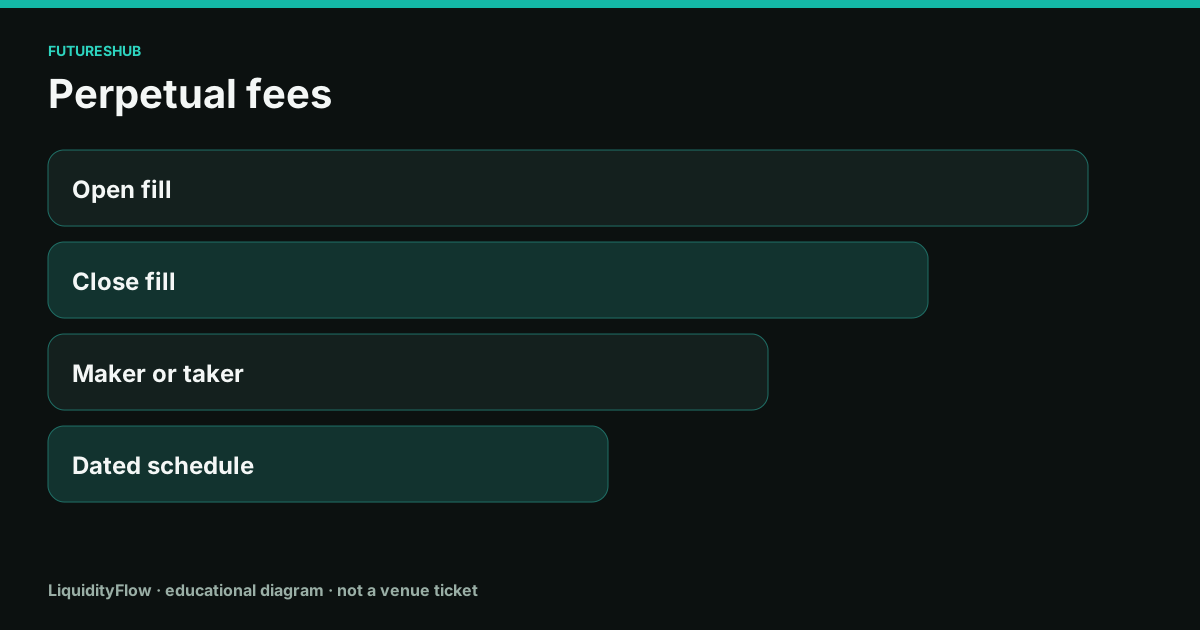
Perpetual fees
Perpetual trading fees are maker and taker rates on notional, charged when you open and again when you close. Funding is a separate cashflow. Published schedules on this desk are dated.
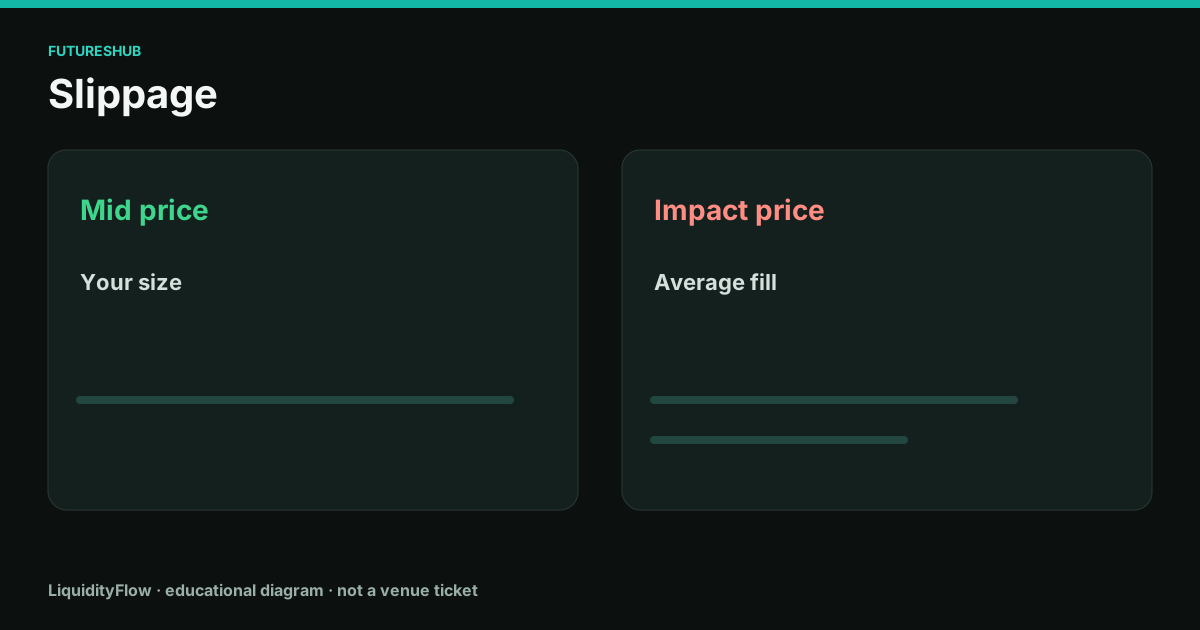
Slippage
Slippage is the distance between the price you used in the plan and the average price the fill actually got. It grows with size, with market orders, and with thin books.
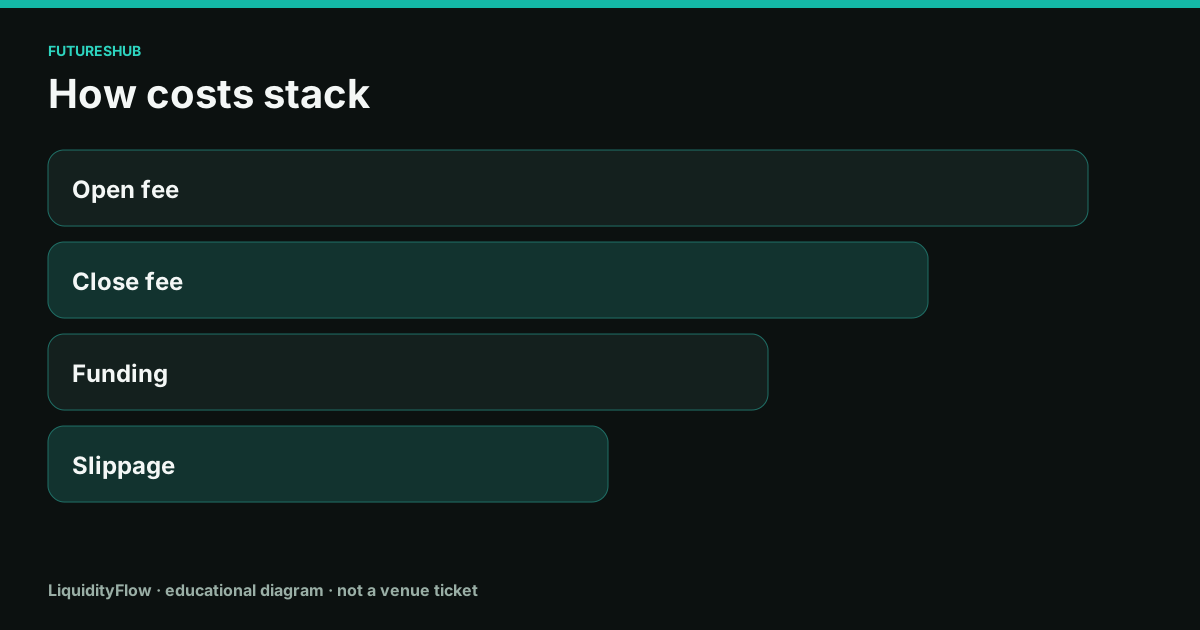
How costs stack
A perpetual round trip stacks the open fee, the close fee, the slippage on both fills, and the funding for every interval you hold. Liquidation adds a different fee again.